Did you see that video? The one where the bearded white guy beats up the black guy on the bus? I think the time is past for being amazed by the power of viral video. Also, the rabbit-like breeding nature of viral video is somewhat boring. Media begot media begot media I get it.
This is the documentary about the guy who punched the guy who cried for the ambalamps. Its about Thomas Alexander Bruso, also known as Tom Slick, also known as Epic Beard Man.
The documentary grabbed me right away because of the meme hype but kept me sucked in because it quickly transformed into a real story about a real person. Thomas is not the only one out there. It seems that absolute chance has gained him some internet fame but I quickly get the impression that Thomas is part of a trend and not such a wild beast as the Epic Beard Man title might suggest. He's actually quite sad.
We get the idea pretty quickly, that Thomas is playing a role. He's the epic anti-hero of the non-working class. One moment, he is setting himself as the villain, relaying to us how he went to a baseball game after consuming a smorgasbord of alcohol and narcotics. The next moment, he is a victim of police brutality. The story doesn't have to make sense because he is no longer trying to make sense of it. Every moment can be cooked down to a an iconic single-serving story. Time is fragmented. Cause and effect are not related and he's lost out there in the soup.
All of this is section 8, he tells us. He's referring to his house but also his self and his being. He is identifying with the labels society has suggested to him and he expresses contentment with it.
Racism is a recurring theme in his dialogue. I think he identifies with blacks, or his perception of what it means to be black. He expresses a solitude with the feelings of alienation and oppression. There might be some parallels in how the draft essentially abducted young boys and hauled them off across the sea to die. Unable to relay his thoughts in a way that is socially acceptable, he turns to violence.
This documentary made me rethink the archetype of the Vietnam vet. I wonder how many people like Thomas are out there and I wonder how many of them are leading equally epic lives.
Showing posts with label racism. Show all posts
Showing posts with label racism. Show all posts
Monday, July 19, 2010

Friday, May 7, 2010
Precious Blind Side
, moFinally got around to watching The Blind Side and Precious. I watched them back to back because it felt like the thing to do. The comparison is natural. They're both films about poverty and redemption and the power of education. The first was hyped by the studios in the traditional mass appeal fashion while the later was more of an independent project backed by Oprah. And to no surprise, liberal newspapers hated The Blind Side and loved Precious.
 I was hesitant to enjoy The Blind Side. Having read and enjoyed the novel by Micheal Lewis for its insightful analysis of football strategy and economics. The Lewis novel structures the history and background parallel to the personal narrative. Needless to say, I was hesitant to watch a movie about benevolent white people. The critical response to the film did not help, either.
In watching the movie, I must retract all initial impressions. As with many book adaptations, the film offers a smorgasbord of moments while failing to deliver a full meal and yet the film's soft vignettes offer their own sweet satisfaction.
On surface level, you get a series of vignettes about as heartwarming as a precious moments gift-ware. You know, that stuff on QVC? And the running joke of the film is: what if a precious moment scene randomly featured a token black guy? And honestly, you can get quite a bit of mileage out of that joke.
Beyond that, there is a story about white guilt and the intangible rewards of charity. You get a subtle nod to the color blind nature of the free market. Football does not care about your politics, your religious upbringing or your political orientation. Football cares only about the value you can bring to a team.
 Precious offers a much more gritty picture. Its a pretty stiff contrast to the lifetime gloss of The Blind Side and your mom probably won't like it.
Also, Precious shows the inner workings of volunteer powered outreach programs, which appeals to liberal people. If The Blind Side was pitched to your average blue state conservative, Precious is aimed at your average metropolitan social worker and enlightened cynic.
Cinematographer Andrew Dunn paid special attention to the use of color in this picture. The yellows feel dreamy. The blues feel defensive. The browns feel secure.
The characters of The Blind Side may have been based on real people, but the characters in Precious feel more real. This is not a film about rhetoric and it has no political agenda. Precious is a story about people and interpersonal relationships.
If The Blind Side is a story about redemption, Precious is a story about pushing through when there is no redemption. Precious boldly points to the source of the problem but is slow to offer any solutions. Again, it's non-political. It's interpersonal. Precious favors the acclimation of little victories over the grandiose.
Neither film is smarter than the other. Neither film uses less stereotypes. Neither film is brilliant. But both films are worth watching and both films will offer conversation fodder. Good times.
 I was hesitant to enjoy The Blind Side. Having read and enjoyed the novel by Micheal Lewis for its insightful analysis of football strategy and economics. The Lewis novel structures the history and background parallel to the personal narrative. Needless to say, I was hesitant to watch a movie about benevolent white people. The critical response to the film did not help, either.
In watching the movie, I must retract all initial impressions. As with many book adaptations, the film offers a smorgasbord of moments while failing to deliver a full meal and yet the film's soft vignettes offer their own sweet satisfaction.
On surface level, you get a series of vignettes about as heartwarming as a precious moments gift-ware. You know, that stuff on QVC? And the running joke of the film is: what if a precious moment scene randomly featured a token black guy? And honestly, you can get quite a bit of mileage out of that joke.
Beyond that, there is a story about white guilt and the intangible rewards of charity. You get a subtle nod to the color blind nature of the free market. Football does not care about your politics, your religious upbringing or your political orientation. Football cares only about the value you can bring to a team.
 Precious offers a much more gritty picture. Its a pretty stiff contrast to the lifetime gloss of The Blind Side and your mom probably won't like it.
Also, Precious shows the inner workings of volunteer powered outreach programs, which appeals to liberal people. If The Blind Side was pitched to your average blue state conservative, Precious is aimed at your average metropolitan social worker and enlightened cynic.
Cinematographer Andrew Dunn paid special attention to the use of color in this picture. The yellows feel dreamy. The blues feel defensive. The browns feel secure.
The characters of The Blind Side may have been based on real people, but the characters in Precious feel more real. This is not a film about rhetoric and it has no political agenda. Precious is a story about people and interpersonal relationships.
If The Blind Side is a story about redemption, Precious is a story about pushing through when there is no redemption. Precious boldly points to the source of the problem but is slow to offer any solutions. Again, it's non-political. It's interpersonal. Precious favors the acclimation of little victories over the grandiose.
Neither film is smarter than the other. Neither film uses less stereotypes. Neither film is brilliant. But both films are worth watching and both films will offer conversation fodder. Good times.
Saturday, November 21, 2009
the blind side by mike lewis
Have you seen the preview for The Blind Side? You should take a look. Seriously. Next Hollywood blockbuster with a pay-it-forward sort of feel good moral. Its based on a true story about white people helping black people with their homelessness and drug addiction. And guess who the hero is? Football!
I read the review of the story in The Stranger and The Seattle Weekly.
I am sure the authors of these reviews all went to fine liberal arts universities and I commend them in their ability to point out the racism. Somebody please give them the Bill Cosby award.
If they had read Micheal Lewis' book, they would also know that the true story is aware of all their criticisms. Behind the movie script and the literary journalism are real people and a real moral dilemma regarding not only race and economic prejudice but also the sport of football and the impact it has on education and society.
It is easy to criticize white people for being so pompous as to paint themselves as the savior of poor black people and it is a legitimate argument. Michael Oher is adopted by the coach of Briarcrest Christian School for the explicit purpose of winning football games. The selflessness is a thin disguise for the true story of opportunists.
Also real are the benefits appreciated by Big Mike. He really was homeless. His mom really was a prostitute. His father really was a deadbeat living on the streets. Football changed all this.
Mike Lewis simply tells the story as any free market capitalist would see it. The sport of football presented a need for a tall athletic heavyweight and Big Mike was available to fill that need. Of course, Big Mike could not have made it on his own so he found assistance from Sean Tuohy and his wife.
The important dialogue that is being passed up here is: Sean Tuophy morally wrong for taking advantage of disenfranchised youth? He does pick the kid off the streets and give him an education. Is capitalism wrong for rewarding selfishness? Is football morally wrong for providing a means for the rags to riches story?

I can't comment on the movie because I have not seen it yet. I would not be surprised if the moral dilemma of the book is missing from the film. Please don't judge a book by its movie adaptation. All objections to the movie are actually the subject matter of the book. The "selfless and benevolent white people" are actually fully aware of their post-racist behavior and are torn between helping the kid and leaving him starving on the street. In the book, there is actually a parallel development between "Big Mike" and a lesser (little?) Mike character who does not get a football scholarship.
Friday Night Lights might be a better film but the literary story telling of The Blind Side is a terrific book. Also check out Mike Lewis's other novels.
I read the review of the story in The Stranger and The Seattle Weekly.
I am sure the authors of these reviews all went to fine liberal arts universities and I commend them in their ability to point out the racism. Somebody please give them the Bill Cosby award.
If they had read Micheal Lewis' book, they would also know that the true story is aware of all their criticisms. Behind the movie script and the literary journalism are real people and a real moral dilemma regarding not only race and economic prejudice but also the sport of football and the impact it has on education and society.
It is easy to criticize white people for being so pompous as to paint themselves as the savior of poor black people and it is a legitimate argument. Michael Oher is adopted by the coach of Briarcrest Christian School for the explicit purpose of winning football games. The selflessness is a thin disguise for the true story of opportunists.
Also real are the benefits appreciated by Big Mike. He really was homeless. His mom really was a prostitute. His father really was a deadbeat living on the streets. Football changed all this.
Mike Lewis simply tells the story as any free market capitalist would see it. The sport of football presented a need for a tall athletic heavyweight and Big Mike was available to fill that need. Of course, Big Mike could not have made it on his own so he found assistance from Sean Tuohy and his wife.
The important dialogue that is being passed up here is: Sean Tuophy morally wrong for taking advantage of disenfranchised youth? He does pick the kid off the streets and give him an education. Is capitalism wrong for rewarding selfishness? Is football morally wrong for providing a means for the rags to riches story?
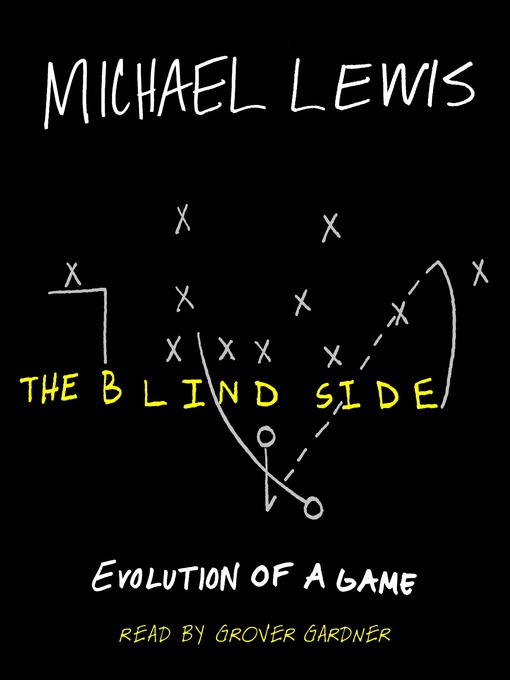
I can't comment on the movie because I have not seen it yet. I would not be surprised if the moral dilemma of the book is missing from the film. Please don't judge a book by its movie adaptation. All objections to the movie are actually the subject matter of the book. The "selfless and benevolent white people" are actually fully aware of their post-racist behavior and are torn between helping the kid and leaving him starving on the street. In the book, there is actually a parallel development between "Big Mike" and a lesser (little?) Mike character who does not get a football scholarship.
Friday Night Lights might be a better film but the literary story telling of The Blind Side is a terrific book. Also check out Mike Lewis's other novels.
Monday, October 19, 2009
Rush to buy: issue of free speech
Rush Limbaugh wants to buy the St. Louis Rams. Al Sharpton is leading the crusade against Limbaugh’s efforts, arguing that Limbaugh is unfit to own a sports franchise because he is a racist and an addict; clearly an irresponsible role model for young Americans. While the drug possession charges are general knowledge, the racist argument is yet to be determined.
Common sense dictates that Limbaugh is a staunch conservative and therefor a racist and tainted with prejudice. But where are the facts?
Notwithstanding lack of evidence, is Rush Limbaugh entitled to his opinion? Or is his money no longer good?
This is an important ethical question for our generation to answer. Is it true that 'hate speech' is the antithesis of democratic free-speech and must be censored? If Limbaugh is a racist, should he be bared from participation in public radio, in sports, in business? Is Limbaugh’s money no good or is Limbaugh, in a free society, free to both speak and spend his money as he pleases? Is the NFL unable to stop him?
This discussion might be better framed as good or bad marketing: Does the NFL as a publicly traded organization have the freedom to pick and choose the partners it affiliates with?
David Sirota wrote in Huffington Post: Forget the double standard of Rush Limbaugh, a free marketeer, now decrying as outrageous the NFL corporation's logical business decision to protect its brand from his taint.
Sirota dismisses a good point. The St. Lewis Rams may, as a PR strategy, choose to turn down Limbaugh's offer to buy the franchise. But this decision should come from the Rams and the strategic decision will rest in the symbiosis of brands, weather or Limbaugh’s values are acceptable to the St. Louis Rams and their fans. Of course, we might safely assume that the target audience, Rams fans, are also Limbaugh fans. So.... it would make no sense to stop Limbaugh.
Freedom Watch hosts an interesting conversation:
Common sense dictates that Limbaugh is a staunch conservative and therefor a racist and tainted with prejudice. But where are the facts?
Notwithstanding lack of evidence, is Rush Limbaugh entitled to his opinion? Or is his money no longer good?
This is an important ethical question for our generation to answer. Is it true that 'hate speech' is the antithesis of democratic free-speech and must be censored? If Limbaugh is a racist, should he be bared from participation in public radio, in sports, in business? Is Limbaugh’s money no good or is Limbaugh, in a free society, free to both speak and spend his money as he pleases? Is the NFL unable to stop him?
This discussion might be better framed as good or bad marketing: Does the NFL as a publicly traded organization have the freedom to pick and choose the partners it affiliates with?
David Sirota wrote in Huffington Post: Forget the double standard of Rush Limbaugh, a free marketeer, now decrying as outrageous the NFL corporation's logical business decision to protect its brand from his taint.
Sirota dismisses a good point. The St. Lewis Rams may, as a PR strategy, choose to turn down Limbaugh's offer to buy the franchise. But this decision should come from the Rams and the strategic decision will rest in the symbiosis of brands, weather or Limbaugh’s values are acceptable to the St. Louis Rams and their fans. Of course, we might safely assume that the target audience, Rams fans, are also Limbaugh fans. So.... it would make no sense to stop Limbaugh.
Freedom Watch hosts an interesting conversation:
Subscribe to:
Posts (Atom)

